




Water Hardness Levels in The United States
Hard Water - Ranges and Problems
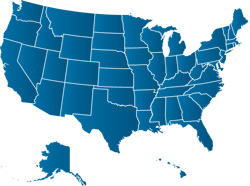
Hard water is water with a high mineral content, particularly calcium and magnesium. It is not necessarily harmful to our health, but can pose serious problems towards any appliance that handles water. Hard water poses a threat on appliances because it forms a scale which is an off-white solid on the surface of pipes. When this scale builds up, it restricts the flow of water in pipes, and can cause a decrease in water pressure and can even eventually cause blockage. In boilers, the deposits impair the boilers heat flow into the water reducing the heating efficiency and allowing the metal boiler to overheat and waste energy. Hard water contains calcium or magnesium ions and when these ions react with soap it makes it difficult to form the lather. This means more soap will be used in the process of washing dishes and showering. It also means the dish washer and laundry machine may be less effective. Hard water is a serious problem, and it is a common one. 85% of the water in the United States is very hard and should be softened to be of maximum usefulness.
How does water become hard?
Rainwater is originally soft water, however once it falls and hits limestone and chalk it becomes hard. This hard water is carried through lakes and streams and into the groundwater we use in our homes. Certain geographical locations will have more or less hard water depending on how many minerals the water picks up as it moves through soil and rock. Since water is a good solvent, it picks up minerals easily and dissolves very small amounts of minerals and holds them in result.
Signs of Hard Water
- White spots on dishes and glasses when dry
- Soap scum or film on glass shower doors, shower walls, bathtubs, sinks and faucets
- Decreased amount of suds from your soap bar or shampoo
- White layer inside your kettle
- Scum floating on your coffee or tea
There are only a few areas where water is sufficiently soft to be satisfactory for most home-making needs. No natural water supply is completely free of hardness. Communities that draw water directly from snow-filled mountain streams enjoy nearly ideal water in terms of a low amount of hardness.
