
Live chat by BoldChat
 

Education page - Side bar menus

Water Quality
  Water and Health   Water Quality   Water Can Heal   Contaminants Facts   Top Water News


Is it safe to drink the water directly from a private well?

For most people, their drinking water is regulated by federal and state governments since they receive their water through community supplies. However, about 15% of Americans have their own source of water, through a private well or springs on their property. The government does not regulate these water sources, and therefore, homeowners need to pay closer attention to the safety of their drinking water.
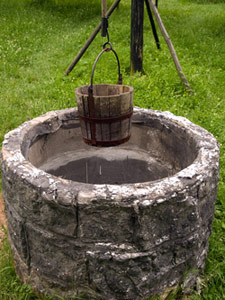
Most groundwater is dubbed safe, but people should have it tested periodically. Groundwater that fills wells can sometimes become contaminated, although the deeper the well, the less likely it is to be ridden with bad things. Some elements it picks up from rocks. But run-off pollutants can also seep into groundwater. Things like microorganisms, heavy metals, lead, copper, household waste, fluoride and more can all be found in traces in ground water.

The Safe Drinking Water Act of 1974 does not include private wells. However, looking at the requirements for that on the EPA website can give well-owners an idea of what the acceptable levels are for these many contaminants. Local health departments are also very helpful in providing information and assistance with well testing. Even some local college with environmental science programs can sometimes aid in testing water quality.

Risk of contamination depends on many things, such as how well your well was built, where it is located, and how well you maintain it. It also depends on your local environment, which includes the quality of the aquifer from which water is drawn and the human activities going on in the area near the well. An example could be being near farm animals, industries, etc.

It is important to test your well for pesticides, heavy metals and organic chemicals before you use the water for the first time. Also, annual tests for nitrate and coliform bacteria should be done annually, especially in areas without sewers. If you use a private laboratory to conduct the testing, nitrate and bacteria samples will typically cost between $10 and $20 to complete. Testing for other contaminants will be more expensive, such as testing for pesticides or organic chemicals-- they can cost from several hundred to several thousand dollars.

In short, we do not recommend drinking water directly from your wells without any filtration/ protection, due to industrial contamination nowadays. We highly recommend that homeowners test their well water annually- make sure you've got safe drinking water, before consumption. After all, you OWN your well. So, you have the chance to always know what is in your water and can control the safety- without having to wait for a private company to tell you too late the water has a bug! Test annually and when you think there could be a problem. Otherwise, drink away.

Of course, it never hurts to play it safe and give yourself an extra piece of mind by installing a filter in your home system.

Read Next: Water Hardness Levels in the USA


Divider
 

Feature Products - Reverse Osmosis Water System

More Topics on Water Quality & Treatment:

The distance from septic tanks & fieldlines for private wells
Constructed a well-reduce the likelihood of contamination from a septic system
What is the cause of odor that resembles chloroform in my private well?
Should I worry about water pollution from antifreeze leaks onto my driveway?
Water pollution from solvents down the household drain
What can I do to prevent water pollution?
The recommended setback distance for a new private well from an operating or unplugged abandoned well
pH value of water
Swimming/chlorine: protecting your skin and hair

Is it common to find pure water in nature?
Is water pollution & water contamination the same thing?
What do we mean by water quality?
Silica/Silicates concentration in fresh surface/ground water supplies on earth
The recommended setback distance of septic tank systems from well
Radiator coolant water from automobiles that contain ethylene glycol antifreeze may kill animals
Drinking water standards vs. kidney dialysis standards
Popular filtration methods explained
Myth on minerals and water

Contaminants and health effects
Water quality problems and solutions
Sources of our drinking water
Standards for drinking water
How to test your water pressure
How to set up your own well
Self maintain aquatic ecosystem
How tap water is treated and delivered
The bottled water purification process
Alkalinity of water
Filtration OR Purification?

Safe to drink the water from a private well?
How Filters can prolong the life of water pipes
Rainwater...future drinking water?
Drinking water quality and acid rain
Emerging issues of water & infectious diseases
Dirty water or bombs-Iraq
Terrorist attacks on water supplies
Hygiene & your water
Eutrophication in water
Explained Solar Water Disinfection
Hard and soft water
Coliform bacteria affect water quality

We are proud to be the authoritative website for information on water quality solutions, water purification and treatment. We provide heavy duty, professional water filtering products to remove contaminants caused by industrial and agricultural water pollution and contamination to provide safe and pure drinking water. Many of our top quality home reverse osmosis drinking water systems, whole house water filters, salt-free water softeners, and electronic water softeners/conditioners are currently on sale.
  = Products of Superior Performance and Dependability