




Are Minerals Organic or Inorganic?
We hear day in and day out that we need more minerals. "Vitamins and minerals" are words that go hand in hand when promotion healthy diet items and supplements. In fact, the body needs about 70 different minerals to carry out all the functions a body is required to do.
So if minerals are such an important natural substance for our bodies, are minerals organic? Because they are naturally occurring, you would think they are, however because they don’t come from living organisms they are classified as inorganic.
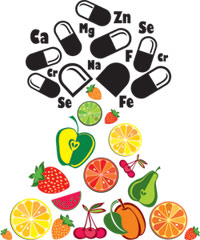
Organic Compounds vs Inorganic Minerals
Here is a brief overview of the differences between these two:
- Organic compounds- There is no such thing as organic minerals. Organic compounds, on the other hand, are composed of carbon and hydrogen atoms, whose electrons spin clockwise just like those of the human body. An ionic bond may be formed between organic compounds and the body, helping it to break down materials and support bodily functions, for example tissue repair. They may also contain other elements such as oxygen, nitrogen, sulfur, and phosphorus. While some organic compounds may interact with minerals in certain geological or biological processes, they are not considered to be minerals themselves.
- Inorganic minerals- Inorganic minerals are naturally occurring substances that do not contain carbon-hydrogen bonds and are not derived from living organisms. Examples include elements such as iron, calcium, sodium, potassium, and magnesium, as well as compounds such as quartz, feldspar, and mica. These minerals are important for a wide range of geological, industrial, and biological processes, but not for human functions.
Is Mineral Water Good or Bad
Inorganic minerals (or just minerals) are picked up by water supplies as they interact with the earth, such as a river flowing through a canyon. The minerals are then removed from the water during the evaporation stage of the water cycle in which the water is evaporated and the inorganic minerals are left behind. This process is often replicated by man made filtering, producing what is known as distilled water.
That being said, drinking water that contains minerals is generally considered safe and may even provide health benefits, such as calcium and magnesium which can promote bone health. However, high levels of certain minerals in drinking water are cause for concern, such as lead, arsenic, and fluoride, can be harmful to human health and cause various health problems depending on the type and amount of mineral present.
For example, lead exposure can lead to developmental delays and cognitive impairments, while high levels of fluoride can cause dental and skeletal fluorosis.
Furthermore, inorganic materials are not absorbed easily by our cells as nutrition, meaning if they aren’t filtered out through excretion, they are most likely deposited elsewhere in the body. This can cause arthritis, joint pain, kidney and gallstones and even clogged arteries.
Lime (calcium carbonate) is one of these minerals. Just think about what that does to your bathtub! Yeah- takes a special cleaner and a lot of elbow grease to scratch the surface of those deposits. (Remember- this is the main ingredient in cement!) In fact, some people suffer from such high concentrations of lime that their hands and fingers can become significantly disfigured.
Dr. Norman W. Walker, author of “Water Can Undermine Your Health” teaches that if a person drinks two pints of water a day in a 70-year life span, it will total 4,500 gallons. If it is not distilled, Dr. Walker estimates this water will include 200 to 300 pounds of rock, including lime, magnesium and other mineral deposits that the body cannot use. He does note that much of this will be collected by the body's water, blood and lymph systems to be eliminated through excretory channels. However, some of it will stay in the body, causing those problems mentioned above.
Therefore, it is important to regularly test drinking water for mineral content and ensure that it meets safe drinking water standards.
How Do I Know If I Have Minerals In My Water?
Does your water contain these inorganic minerals? Fill up a pot and let it evaporate. As noted above, the water cycle only takes the hydrogen and oxygen from the liquid and leaves behind what else is left. If you've got mineral deposits in your pot, you may want to look into getting only distilled water or getting a reverse osmosis filtration system.
Read Next: Are Minerals in Drinking Water Healthy?
