
Live chat by BoldChat

Welcome to APEC Water!

We are America's leading supplier of high quality drinking water systems and information source.

Our true passion
lies with our FreeDrinkingWater donation program for people in need. See More

 
Free Drinking Water Donation Program


REJECTION FACTS:
 
Water Heal
  Water and Health   Water Quality   Water Can Heal   Contaminants Facts   Air and Health
WATER CAN PREVENT AND CURE MANY OF OUR ILLNESSES
 

Acne 102: Moisturizing Your Skin, Reducing Skin-Pore Clogging, and Treating Acne with Pure Water
Water Bottle Contaminants

The skin is the largest and the heaviest organ in the human body which also requires proper care. Essentially, what is good for other body organs is generally good for the skin: drinking sufficient water, eating a balanced diet with plenty of fresh fruits and vegetables, reducing stress levels, lowering sugar intake, avoiding alcohol, and exercising.

Quote Left a good wash will open up the skin pores and let in as much water as the pore can hold; Quote Right

Pure water is an important ingredient in good skin care in and out, through and through. One drinks plenty of filtered and purified water to maintain adequate level of water in the body: by protecting the body from dehydration, one protects the skin from dehydration. Externally, one uses pure water to wash and cleanse gently the face and other parts of the body. One also uses pure water to moisturize the skin—not just in preventing the skin from dehydrating internally, but also in using pure water to wash the skin and use natural (and homemade) pure-water-based moisturizers to moisturize the skin.

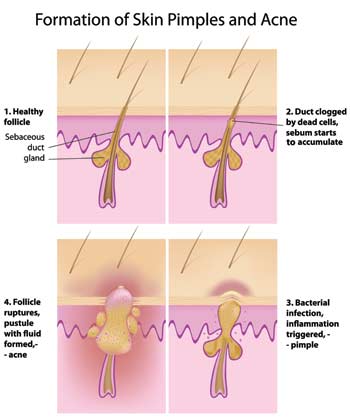
Skin pores clog due to a blockage of follicles (the structure from which each hair grows on human skin) thus preventing the oil from exiting the pore. The human skin is constantly growing and shedding dead skin cells.

By using pure water with mild soap or cleanser, one can wash off substances that clog skin pores. A good skin-care tip is to moisturize the skin after washing: a good wash will open up the skin pores and let in as much water as the pore can hold; then seal in the pure water with your skin moisturizer. Moisturizers work by repairing the skin barrier, boosting the skin's water content, reducing the skin's water loss, and restoring the skin's natural ability to attract, hold, and redistribute water. It has been said that about 30% of the water in our outer skin layer (or the epidermis) will be affected by the conditions described here; the other two-thirds are influenced by hormonal levels, vitamin deficiency, a bad diet, toxins accumulation within the body and skin, certain drugs, and diseases.

You can make your own homemade skin moisturizers with pure essential oils such as olive oil, avocado oil, and almond oil; you can also add antioxidants such as vitamins C and E into the oil. Consult experts who have produced their own moisturizers for specific recipes and procedure for making homemade natural moisturizers. Be sure to use only the purest filtered water to make this moisturizer; you do not want to add bacteria, minerals, and other chemical pollutants in your natural moisturizer. By using the natural moisturizers instead of conventional commercial moisturizers after washing your skin with pure water, you can eliminate many unnecessary chemical irritants and possible carcinogens from your skin. Pure water is the foundation of maintaining excellent skin health.

Follow these skin-care guidelines for moisturizing your skin and reducing clogging of skin pores:

  • Wash and cleanse acne-affected skin with pure water no more than two to three times a day and after sweating. Be sure to use a gentle, non-abrasive, non-oily, and non-alcohol cleanser. To reduce skin irritation, use your fingers when applying the cleanser and washing; using a mesh sponge or washcloth will irritate the skin and may lead to breakouts. Do not scrub the skin because scrubbing only makes your acne worse.
  • Thoroughly rinse face and skin with warm water to wash away the cleanser. This will get rid of oil buildup on the surface.
  • Be sure to avoid typical acne and skin-care products such as astringents, rubbing alcohol, exfoliators, masks, toners, and tanning products. These products do not help to clear acne and can only exacerbate the skin and worsen the acne situation.
  • Avoid oil-containing hair products (e.g., oily gels, conditioners, and shampoos) which can drip oil or transfer oil onto the skin and clog pores. Clogged pores can lead to acne. So it is best to avoid oil-containing hair and facial products.
  • Avoid picking, popping, and squeezing pimples to get rid of them. You risk an infection and subsequent scarring when you transfer bacteria from your fingers and hands onto your already inflamed skin.
  • Finally, moisturize your skin with your own homemade natural moisturizer. Greasy skin isn't good for clearing acne, but neither is dry skin. Moisturizer prevents your skin from drying out.

Again, when you wash and wipe your face, use pure water and a mild, natural soap. This regimen keeps the oil and dirt out and helps prevent blockages and infections—and acne. It's just one way to be kind to the skin you're in!

The best prevention and treatment tips to free your skin of acne is free. There is no need to buy any products nor use antibiotics, pharmaceutical drugs, and topical ointments on your skin. Just exercise, change your diet, and cleanse your skin with pure water with a mild cleanser.