



- The TRUTH About America's Water
- Water Pollutants that Cause Illness
- Are Minerals in Water Important for Health?
- Top 5 Drinking Water Contaminants
- Do I Need a Whole House Water Filter?

ENDOCRINE DISRUPTORS
Environmental Toxins in Drinking Water: Phthalates
Part 1 of 4. Phthalates as Endocrine Disruptors in the Environment
Reproductive, Endocrine, Immune, Genotoxic, and Nephrotoxic Damages in Wildlife
In recent years, the safety of phthalates as potentially powerful endocrine disruptors has been hotly debated worldwide by scientists, government regulators, and consumer advocates. Phthalates are found in our drinking water, air, and food all over the world. Phthalates are a major environmental pollutant and a cause for concern because they are found in most people's blood, tissue, breast milk, and urine. The European Union banned phthalates in soft PVC toys and childcare products in 1999 through its Commission Decision 1999/815/EC. In 2004, the EU banned phthalates in cosmetics and other beauty products. No such bans are in effect in the United States and elsewhere outside European Union. The U.S. Food and Drug Administration (FDA) stated that there is no clear evidence of harm from phthalates in cosmetics and other products.
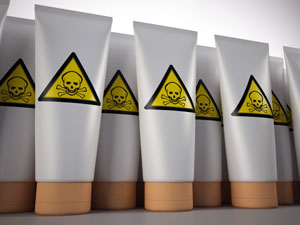
Researchers estimated that more than 75% of the U.S. population is exposed to phthalates. Starting as early as the 1950s, scientists have published research findings in peer-reviewed academic and science journals on human and animal exposure to phthalates and their wide variety of health problems, as follows:
- Infertility especially among men)
- Cancers (e.g., liver, breast, prostate, testicular, colon)
- Autoimmune diseases (e.g., lupus)
- Fertility problems (e.g., low sperm count, poor mobility of sperm, DNA damage in sperm, lower testosterone level, and ovarian dysfunction)
- Obesity, resistance to insulin, and diabetes in men
- Smaller testes and smaller genitals on average among male babies exposed to phthalates in mothers' wombs Asthma
- "Feminization" of male fish, frogs, and other amphibians living in phthalates-contaminated rivers in the wild
What Are Phthalates and Where Are They Found?
Phthalates are a class of synthetic chemical compounds used widely as softeners in many plastic products (or commonly called as "plasticizers" in plastics) and other consumer products, as follows:
- All polyvinyl chloride plastics (PVCs), including PVC plastic bags and PVC pipes
- Pharmaceutical products and medical devices (e.g., tubes, PVC blood bags, dialysis equipment, disposable medical examination and sterile surgical vinyl gloves)
- Cosmetics, perfumes, and other beauty products (e.g., face cream, nail polish)
- Personal care products (e.g., lotion, shampoo, soaps)
- Children's soft-squeeze plastic toys
- Baby's pacifiers, infants' teething rings
- Common household products (e.g., shower curtains, raincoats)
- Industrial lubricants
- Building products (e.g., carpet backing, putty, caulk)
- Solvents in glues and other adhesives, paints, and wood finishes
- As the inert ingredient in pesticides and insect repellents
- Food packaging
- Sex toys (specifically the so-called jelly rubber toys)
Specifically, phthalates are used as softeners and plasticizers of plastics, as solubulizers (for other ingredients to dissolve in), denaturants (to make products taste bitter), as holders of colors and prolongers of scents in beauty and personal care products, and as solvents in glues and paints.
Photographs: PVC (#3) plastic contains phthalates, which soften plastics to make them flexible. Babies' pacifiers and rubber-duck toys also contain phthalates, which make them soft and squeezable.
