




Water Quality and Plants
Like all living things, plants too, rely on water for life. And, even though they can't physically tell us or shun certain water- they are very picky about water quality!
Having a house full of lush, green plants can really add to the atmosphere. Isn’t that beautiful to have a live tree here and a hanging basket there; however, without proper knowledge of how to best care for these plants, they just may become brown and limp.
The benefits of having plants inside your house are more than being aesthetic. Plants bring oxygen, take in chemicals and just plain make the air better to breathe. Plants have been proven to remove harmful airborne contaminants and increase oxygen levels which can lead to increased concentration and productivity levels. So, to reap the benefits, we must learn first how to water these greens. The number one killer of houseplants is over-watering. Poor water quality can also be dangerous.
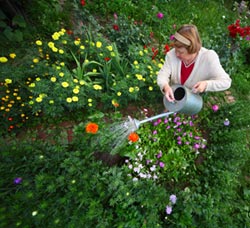
When a plant is watered, it absorbs the water through its roots, then through a vascular system similar to the circulatory system of human bodies. The water moves up the plant and into its stems, leaves, buds, fruit. City water is filtered for the safety of humans; however, many of the chemicals used in that process are not safe for the plants. Some plants are more sensitive than others; palms, spider plants, and dracaenas are quite sensitive to fluoride. The fluoride acceptable in tap water is still more than plants can handle. Additionally, tap water can also contain salts for softening which can be harmful. A build-up of a white film crust forms on soil, this is a sign water has too much sodium- nutrient plants despise. Finally, water that has the wrong pH level can damage plants. Some plants cannot tolerate chlorinated tap water, while other plants have a difficult time with soft water. Use the cleanest water possible, such as rainwater or reverse osmosis water. Some people use bottled water for their houseplants. This may be okay if they have one or two small plants, otherwise, it is unnecessarily expensive.
To combat tap water problems, installing a filtered system at home would be ideal. Though tap water is considered filtered, high levels of chlorine remain in the water. It is recommended to use a filtration system to provide the purest water for your family and plants. If the budget does not permit, letting water sit out for 24-hours before watering, experts say, can also remove harmful chemicals. Leaving water out and uncovered for an extended period will allow the chlorine to dissipate out of the water. It is also said that rainwater is great to use, which can be done by setting out buckets to collect precipitation. According to the Water Quality Association, distilled or reverse-osmosis filtered water is the best for watering house plants. No matter where the safe water comes from, it should be room temperature when watering.
